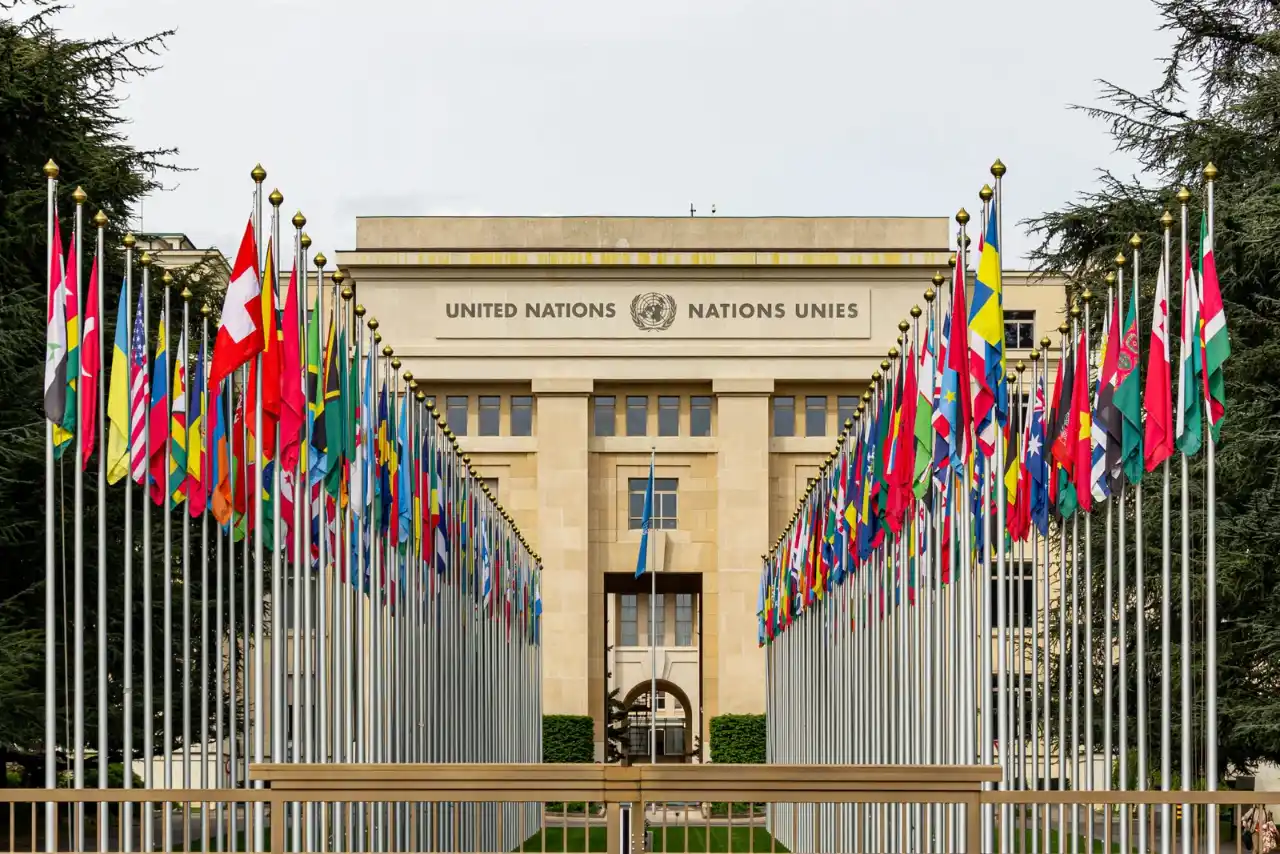
The United Nations was born from catastrophe.
In 1945, as the world emerged from the devastation of two global wars, nations faced a hard truth: unrestrained power had nearly destroyed civilization. Borders had been erased by force, entire populations displaced or exterminated, and the absence of shared rules had allowed unthinkable violence. Understanding the limits of UN power became an essential lesson as the organization was created not as a symbol of idealism, but as an act of survival. It was an attempt to ensure that the world would never again descend so easily into chaos.
Its purpose was never to govern nations, or police them. The UN was designed as a framework, a space where disputes could be addressed before they became wars, where shared norms could limit the worst impulses of power, and where dialogue might replace domination. It was, from the beginning, an imperfect compromise between sovereignty and cooperation.
Today, that compromise is under strain as critical observers analyze the structural limits of UN power in resolving geopolitical disputes.
In recent months, criticism of the United Nations has intensified, particularly following the United States’ military intervention in Venezuela and the removal of President Nicolás Maduro from power. For many observers, the silence or restraint of the UN in response to such actions has reinforced a familiar accusation: that the organization is powerless, symbolic at best, incapable of holding back the world’s most powerful actors.
The phrase often used is harsh but memorable: a watchdog without teeth.
Yet this criticism misunderstands what the United Nations was designed to be.
The UN does not possess independent authority. It has no standing army, no unilateral enforcement mechanism, no ability to compel sovereign nations to act against their will. Its strength lies not in force, but in the agreements its members voluntarily entered into, and in the moral and political weight those agreements carry.
That design reflects a fundamental reality of the international system: nations are reluctant to surrender sovereignty and power. The UN exists precisely because power cannot be trusted to restrain itself. But paradoxically, it depends on that same power to function.
This reality highlights the inherent limits of UN power across every major crisis of the past century.
From the genocide in Rwanda to the wars in the Balkans, from ongoing conflicts in the Middle East to the invasion of Ukraine, the UN has been present but unable to prevent chaos. In these moments, it has documented, condemned, convened, and pleaded, but rarely by itself, successfully compelled conflict to cease. The failures are real, and the human cost undeniable.
But it is also true that the absence of the UN in these moments would not have produced better outcomes. Without it, there would have been no shared language of accountability, no international scrutiny, no mechanism, however flawed, to preserve memory, responsibility, and pressure.
The frustration many feel today stems from a deeper discomfort: the realization that international law is only as strong as the willingness of powerful nations to respect it.
The intervention in Venezuela has reopened this wound. On one hand, the Maduro government presided over years of suffering, economic collapse, repression, and mass displacement. Millions of Venezuelans were forced to flee their country, their lives fractured by policies that stripped dignity and opportunity. For many, the removal of that regime represents relief, hope, and the possibility of return.
On the other hand, the method matters.
When a powerful nation unilaterally intervenes in another sovereign state, bypassing multilateral consensus, it reshapes global norms, whether intentionally or not. It raises questions that extend far beyond Venezuela: Who decides when sovereignty no longer applies? What standards are used, and who enforces them? And what protections remain for smaller states?
These questions are not abstract. For nations without military or economic dominance, international law is not philosophical, it is existential. The rules that restrain power are often the only shield they possess.
Navigating the Strategic Limits of UN Power
This is where the United Nations occupies its most uncomfortable but necessary role.
It cannot stop a determined superpower. But it can record, frame, challenge, and legitimize global debate. It can prevent helplessness from becoming acceptance. It can preserve the idea that force is not the same as justice, and that legality still matters, even when violated.
According to research from the Council on Foreign Relations, structural reforms within multilateral institutions are vital to maintaining modern international order and diplomacy.
Calls for reform are growing louder. Many argue that the UN must be strengthened, that its structures, particularly the veto power held by a few, reflect a world that no longer exists. Others propose expanding representation, limiting veto use, or granting the organization greater enforcement authority.
Yet every proposal confronts the same reality: addressing the fundamental limits of UN power would require powerful nations to accept limits on their own freedom of action. That concession has historically been rare.
There is also risk in overcorrection. An international body with excessive authority could itself become unaccountable, detached from the people it claims to protect. The balance between cooperation and coercion is delicate, and history offers no simple solutions.
Perhaps the most realistic path forward lies not in transforming the UN into something it was never meant to be, but in strengthening the norms that give it meaning. Early diplomacy instead of reactive intervention. Regional cooperation before escalation. Transparency and accountability even when enforcement is impossible. A recommitment to the idea that power should be justified, not assumed.
Just as smaller middle powers leverage strategic leverage in international affairs, global bodies must adapt to contemporary power dynamics.
The United Nations is struggling because the world remains unwilling to fully agree on the rules that should govern power. Understanding the true limits of UN power allows societies to push for pragmatic diplomacy rather than idealist assumptions.
And yet, despite its flaws, it remains the closest thing humanity has to a shared conscience, a place where the world still attempts, however imperfectly, to govern itself through reason rather than force.
The danger is not that the UN is weak. The danger is that unrestrained power, under the guise of sovereignty, can be stronger.