The global drug trade is often discussed as if it exists only on the margins of society, something that happens elsewhere, among other people, in places far removed from ordinary life. But the truth is far less distant. Even those who have never used illicit drugs live within systems shaped by them. The impact of global drug trade extends beyond criminal enterprises into an economic force that distorts markets, weakens institutions, and quietly reshapes the social fabric of entire nations.
At its core, the drug trade thrives on imbalance. Where opportunity is scarce and inequality is entrenched, illicit economies offer what legal ones do not: income, belonging, and a sense of power in environments that otherwise feel closed off. Over time, these underground markets evolve into parallel systems of governance. They set rules, enforce order through violence, and often replace the state where the state has failed to show up meaningfully in the lives of sections of populations that are often cast aside.
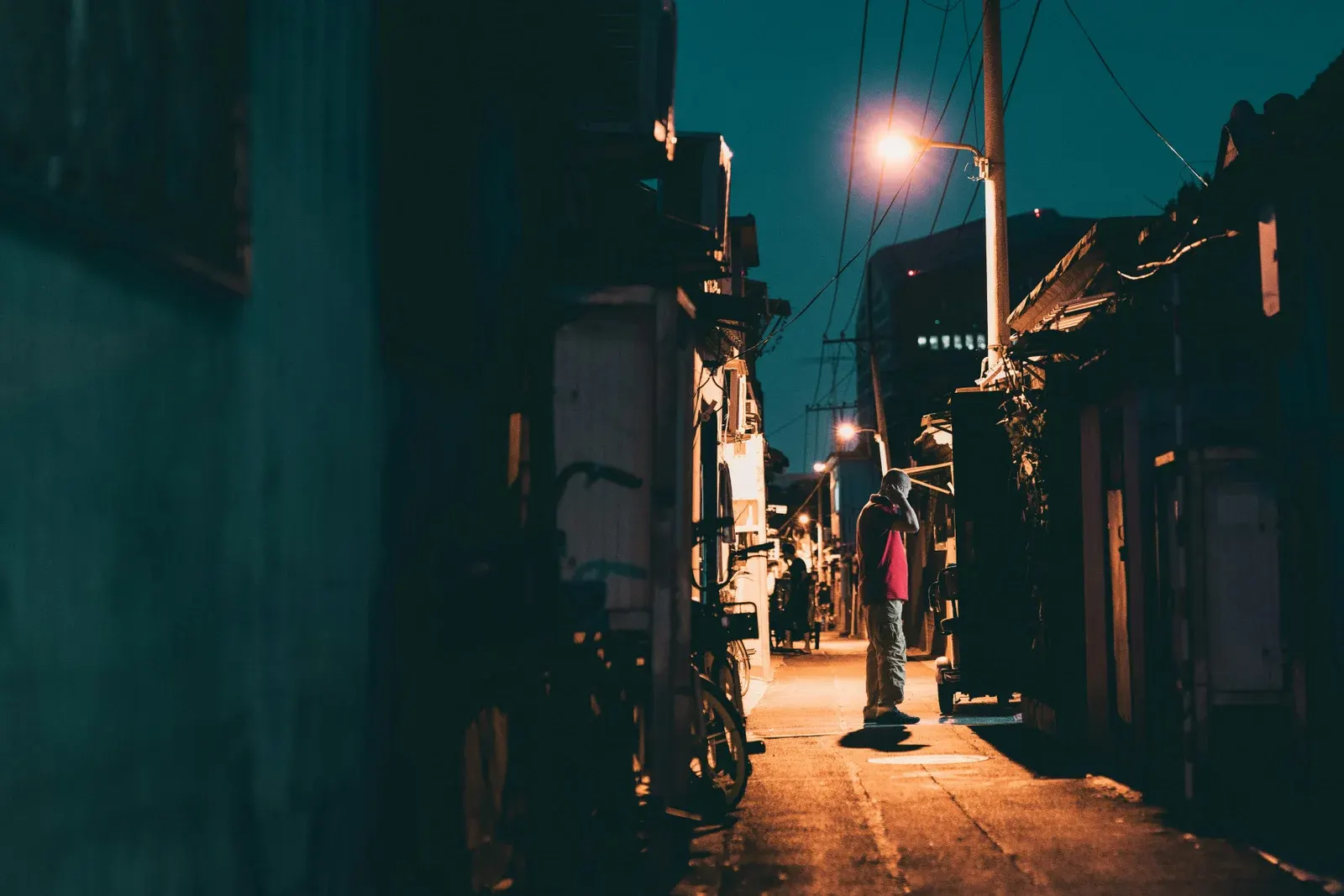
Money is what allows this system to endure. The enormous profits generated by drugs are not only used to move product across borders but to influence police forces, intimidate judges, fund political campaigns, and silence communities. Entire neighborhoods can become dependent on economies that are both lucrative and lethal, where survival is tied to silence and loyalty is enforced through fear. In these environments, violence is structural, woven into daily life as a method of control.
The consequences extend far beyond crime statistics. When institutions are compromised, trust collapses. Businesses hesitate to invest, schools struggle to retain students, and families make decisions shaped by insecurity rather than aspiration. Cities known primarily as drug hubs often experience long-term economic stagnation, not because people lack talent or ambition, but because instability drives opportunity away. Over time, this creates a feedback loop: the fewer legal options available, the more appealing the illicit ones become.
The human cost is especially visible among young people.
In communities where drug economies dominate, children grow up surrounded by symbols of power that have little to do with education or innovation. Understanding the profound impact of global drug trade becomes critical as violence becomes normalized—not because it is accepted, but because it is unavoidable. Many are pulled into criminal networks not out of choice, but necessity—a way to contribute to household income or to gain protection in an unsafe environment. The loss here is sometimes entire generations whose potential is quietly redirected.
Yet the story is not exclusively one of despair. Some cities that were once defined by drug violence have shown that change, while slow and imperfect, is possible. Where reform has taken root, it has rarely come from force alone. Instead, progress has emerged where governments invested in public services, education, infrastructure, and economic inclusion alongside law enforcement reform. When communities are given alternatives that are both viable and dignified, the grip of illicit economies begins to loosen.
This shift has also been reflected in how some countries approach drug use itself. Rather than treating consumption as a moral failure or purely criminal act, more human-centered policies have reframed it as a public health issue. In places where addiction is met with treatment instead of punishment, social harm has decreased and pressure on the criminal justice system has eased. While such approaches do not eliminate trafficking networks on their own, they reduce demand-side harm and acknowledge the humanity of those caught in cycles of dependency.
Addressing the Broader Impact of Global Drug Trade
What these examples reveal is a difficult truth: there is no single solution to the drug trade because it is not a single problem. It exists at the intersection of poverty, demand, governance, and global inequality. Efforts that focus solely on punishment often ignore the conditions that allow these economies to flourish in the first place. Suppressing supply without expanding opportunity simply moves the problem elsewhere, leaving communities trapped in recurring waves of violence and disruption.
According to comprehensive findings from the United Nations Office on Drugs and Crime, illicit financial networks and transnational crime require integrated socio-economic policies alongside law enforcement strategies.
A more realistic path forward requires confronting uncomfortable realities. It means acknowledging that consumers in wealthy nations are not disconnected from the suffering in producer and transit countries. It means recognizing that stability cannot be enforced solely through force, and that dignity, opportunity, and institutional integrity are as essential to security as policing. It also requires patience and the understanding that rebuilding trust and reshaping economies takes far longer than dismantling them.
The drug trade ultimately reflects how societies choose to manage inequality, desperation, and human vulnerability. As long as entire populations are excluded from economic participation and social mobility, illicit markets will continue to fill the gaps. Mitigating the wider impact of global drug trade is not simply a matter of stronger borders or harsher laws, but of creating systems where fewer people feel they have nothing left to lose.
Just as smaller middle powers leverage strategic leverage to build resilient national frameworks, communities must build institutional integrity to resist shadow economies.
This is why the impact of global drug trade belongs to all of us. It shapes migration, influences political decisions, and quietly determines which lives are protected and which are expendable. Addressing it honestly means moving beyond fear and punishment toward policies rooted in understanding, accountability, and shared responsibility.
Because the real cost of the drug trade is not measured and seen only in seized shipments or prison sentences, but in the futures quietly narrowed by systems that thrive where hope is scarce.